

Stem Cell Study Shows Promise in Restoring Vision in Eye Diseases
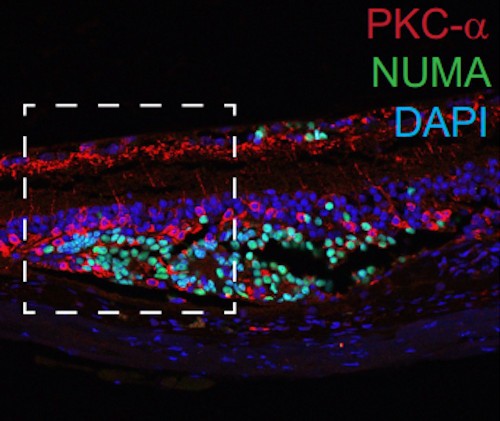 Researchers from Duke-NUS Medical School, the Singapore Eye Research Institute, and the Karolinska Institute in Sweden have discovered a novel method that could help restore vision in individuals with photoreceptor loss due to various retinal diseases. In a preclinical study, scientists used stem cells to generate progenitor photoreceptor cells, which were then transplanted into experimental models of damaged retinas, leading to significant vision recovery.
According to Assistant Professor Tay Hwee Goon, the first author of the study from Duke-NUS’ Centre for Vision Research, "Our laboratory has developed a novel method that enables the production of photoreceptor progenitor cells resembling those in human embryos. Transplantation of these cells into experimental models has yielded partial restoration of the retinal function."
Photoreceptor degeneration is a significant cause of declining vision that can lead to blindness, and there is currently no effective treatment for it. It occurs in inherited retinal diseases, such as retinitis pigmentosa, and age-related macular degeneration, which is a leading cause of vision impairment worldwide.
The research team developed a procedure to grow human embryonic stem cells in the presence of purified laminin proteins, which are involved in the normal development of human retinas. In the presence of laminins, stem cells could differentiate into photoreceptor progenitor cells that convert light into signals that are sent to the brain.
When these cells were transplanted into damaged retinas, preclinical models showed significant vision recovery. The transplanted cells established connections with surrounding retinal cells and nerves in the inner retina and functioned for several weeks after transplantation.
The team hopes to refine the method to make it simpler and achieve more consistent results for exploring stem cell therapy for photoreceptor cell replacement. The next step is to explore the efficacy of their method in models of photoreceptor degeneration that more closely match the human condition.
"If we get promising results in our future studies, we hope to move to clinical trials in patients," said Professor Karl Tryggvason, from Duke-NUS’ Cardiovascular and Metabolic Disorders Programme, and the corresponding author of the study. "That would be an important step towards being able to reverse damage of the retina and restore vision."
The protocol underlying the procedure developed by Asst Prof Tay has since been licensed to Swedish biotech start-up Alder Therapeutics. The study's bioinformatics analysis lead, Associate Professor Enrico Petretto, also stated that the method may be useful for understanding the molecular and cellular pathways that drive the progression of macular degeneration, leading to the development of other therapeutic approaches.