


New Study Reveals Impact of Pupil Size and Iris Brightness on Prosocial Behavior
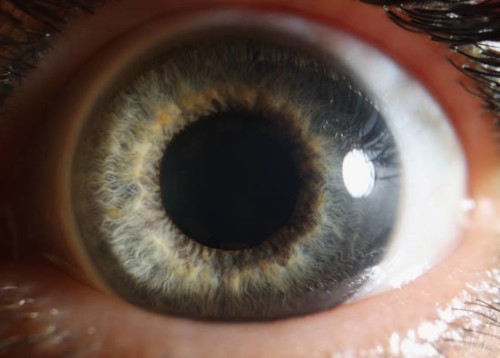 A recent study published in Cognition and Emotion uncovers how subtle ocular features, specifically pupil size and iris brightness, can significantly influence prosocial behaviours and affective responses.
Conducted by researchers at Leiden University, the study involved two experimental investigations focusing on human reactions to images of non-human primates with digitally altered eye characteristics.
In the first experiment, participants viewed primate portraits with either enlarged or reduced pupils. Findings indicated that images with larger pupils elicited more positive impressions and increased donation behaviour. Notably, this effect was more pronounced in species with more conspicuous irises. The second experiment simultaneously manipulated both iris brightness and pupil size.
Results showed that brighter irises combined with larger pupils led to higher donation amounts. Participants also rated these images as cuter, more attractive, and friendlier, but only when the pupils were dilated. These findings suggest that the visibility and appearance of the iris and pupil play a crucial role in social perception and behaviour.
The study's authors note that these insights have methodological implications for future research involving eye appearance and provide a deeper understanding of the "watching eyes effect," where the perception of being watched can influence behaviour. For businesses, especially those in marketing and design, these insights could inform strategies utilising imagery to evoke specific emotional responses and encourage prosocial behaviour among consumers.