
Smart Glasses Dominate CES 2026 as EssilorLuxottica and Meta Plan Major Production Boost
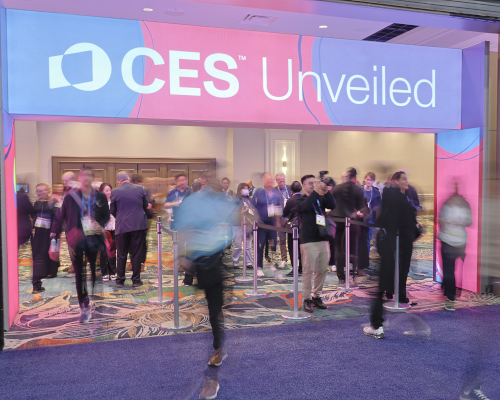 The Consumer Electronics Show (CES) showcased the category's shift from prototype to mainstream product, while Meta and EssilorLuxottica discuss doubling or tripling Ray-Ban Meta output to meet surging demand. Smart glasses emerged as the breakout product category at the Consumer Electronics Show 2026 in Las Vegas last week, with industry leaders unveiling new models and features that signal the technology's transition from experimental to everyday consumer product. The timing coincides with reports that EssilorLuxottica and Meta Platforms are in advanced discussions to dramatically scale production of their Ray-Ban Meta smart glasses.
Meta pushes for 20-30 million units annually
According to Bloomberg, Meta is aiming to increase annual production of Ray-Ban Meta glasses to 20 million units by the end of 2026, with potential to reach 30 million if demand continues its current trajectory. The discussions reflect unprecedented consumer interest in the technology, particularly for the Ray-Ban Meta Display model launched in the US at $799.
EssilorLuxottica is reportedly close to achieving its initial target of 10 million pairs by end of 2026. However, stock shortages driven by what Meta described as "unprecedented" demand have forced the company to temporarily suspend international rollout in France, the United Kingdom, Italy and Canada.
CES showcases new "Handwriting" mode
At CES 2026, Meta unveiled a software update for the Ray-Ban Display featuring "Handwriting" mode. Using Meta's EMG bracelet, users can compose messages by "writing" with their finger. The Display also offers scrolling text directly in the user's field of vision for presentations or speeches without visible notes.
Competition intensifies across market segments
The CES floor demonstrated the breadth of the smart glasses market's evolution:
Medical applications: The eSight Go targets people with age-related macular degeneration, using high-definition cameras and real-time image enhancement to help users recognize faces and read menus.
Audio-focused: Cearvol's glasses compete with Nuance Audio, offering 40-hour battery life and Bluetooth streaming with physical controls that eliminate app dependence.
Lightweight AI: Xgimi's MemoMind "Air Display" weighs just 28.9 grams—approaching standard optical frame weight—and is positioned to compete with Even Realities when it launches in the first half of 2026.
Gaming: Asus unveiled the ROG Xreal R1 with 240Hz refresh rate, capable of displaying a 171-inch virtual screen for portable gaming.
Premium viewing: RayNeo's Air 4 Pro features the first HDR10 certification in smart glasses, with micro-OLED panels reaching 1,200 nits brightness and Bang & Olufsen audio.
Standalone computing: Vuzix's Shield 2 runs on Snapdragon AR2 Gen 2, functioning without phone connectivity for holographic video conferencing and multitasking.
The show also featured OpticWash, an automated cleaning kiosk for glasses and devices, incorporating AI for contactless cleaning cycles.
Strategic implications for eyecare
For Meta, which holds approximately 3% stake in EssilorLuxottica, the potential production increase represents a crucial bet on establishing connected glasses as everyday consumer products. The Franco-Italian eyewear giant's manufacturing capabilities, iconic brands including Ray-Ban and Oakley, and global retail network spanning LensCrafters and Sunglass Hut provide Meta with unique mass-market reach.
The convergence of CES innovations and Meta's production expansion signals that smart glasses have moved decisively from niche technology to mainstream consumer category, with implications for optical retailers and eyecare professionals navigating this emerging landscape.