


UK Glaucoma Cases Exceed One Million, Set to Rise 60% by 2060
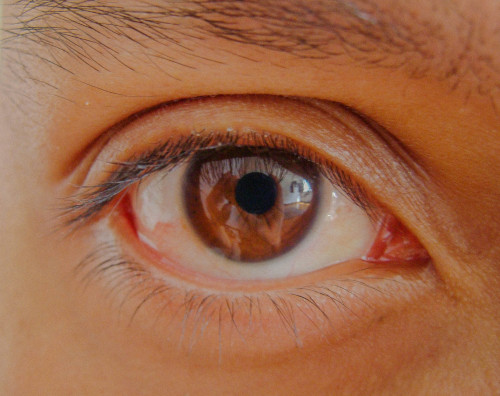 Over one million adults in the United Kingdom are currently living with glaucoma, according to comprehensive new research that combines the latest census data with robust epidemiological estimates. The findings, published in the British Journal of Ophthalmology, suggest the disease burden is considerably higher than the 700,000 cases previously reported.
The study, led by researchers from the NIHR Moorfields Biomedical Research Centre and UCL Institute of Ophthalmology, estimates that 1,019,629 UK adults aged 40 and over are affected by glaucoma, a figure that is projected to surge to 1.61 million by 2060.
Demographic shifts driving case numbers
The anticipated 60% increase in glaucoma cases over the next 35 years far outpaces the projected 28% growth in the population aged 40 and above, reflecting fundamental changes in the UK's demographic structure.
"This rise is driven by two key trends: the ageing of the population, with the steepest increase in cases occurring in those aged 75 and over, and the growing proportion of individuals from ethnic groups with higher glaucoma risk," the authors noted.
While non-European ethnic groups currently comprise just 5.8% of the UK population aged 65 and older, they already account for 8.1% of glaucoma cases. As these higher-risk populations age, their contribution to the national glaucoma burden is expected to grow significantly.
Age and ethnicity matter
The research found that glaucoma prevalence increases dramatically with age, from 0.24% in people aged 40-44 to 10.64% in those 85 and older. The disease burden was slightly higher in men (3.14%) compared to women (2.86%).
Ethnicity-specific analysis revealed notable differences in prevalence rates. Individuals of African ancestry showed the highest overall prevalence at 3.93%, followed by Europeans at 3.14%, mixed/other groups at 2.50%, and Asian populations at 2.27%.
However, the researchers emphasised that demographic structure plays a crucial role in absolute case numbers. Among Europeans, the largest number of cases occurred in the oldest age group (85+ years), reflecting a relatively older population. In contrast, the African population showed a peak in the 55-59 age group due to a younger demographic distribution.
Half of cases remain undiagnosed
The study highlights that approximately 50% of glaucoma cases remain undiagnosed even in well-resourced healthcare systems. This gap is even greater among ethnic minority groups, who are more likely to experience delays in diagnosis and present with advanced disease.
Research indicates that African Caribbean patients are over four times more likely to present with advanced visual field loss compared to white patients of similar age, sex and intraocular pressure.
Implications for service delivery
The projected increase in case numbers carries significant implications for clinical practice and public health planning. The authors noted that expansion will be needed in specialist care, diagnostic capacity and innovative transformation of long-term management services.
"These projections emphasise the pressing need for healthcare resource planning and investment in training, equipment and service delivery in ophthalmology to meet future demand," the researchers wrote.
The findings also highlight the need for refined and targeted awareness campaigns and early detection strategies, particularly for higher-risk demographic groups and sectors of the population who engage less with healthcare services.
Methodology
The study combined UK Office for National Statistics (ONS) census data from 2021-2022 with glaucoma prevalence estimates from the European Eye Epidemiology Consortium. For European populations, the researchers used age and sex-specific prevalence data from 14 population-based eye studies. For non-European ethnic groups, they applied relative risks from a Bayesian global meta-analysis to the European baseline.
Population projections through to 2060 were based on ONS forecasts assuming stable fertility, increasing life expectancy, and long-term net migration of 315,000 people per year.