


US Optometrist Bridges the Patient Education Gap With New Eye Health Handbook
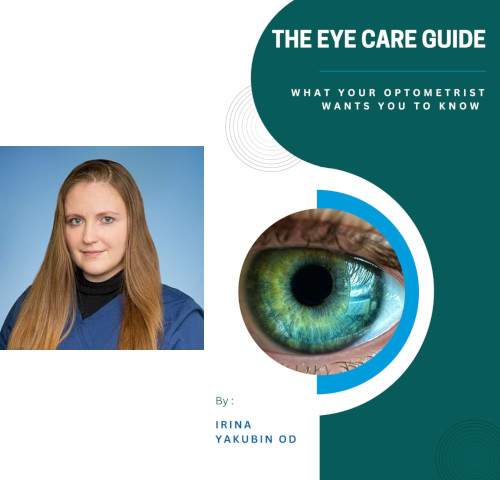 A newly released consumer guide by American optometrist Dr. Irina Yakubin aims to bring the optometry consultation room into the hands of everyday patients and it could have implications for how eye care professionals approach patient communication globally.
The Eye Care Guide: What Your Optometrist Wants You to Know, published in late January 2026, distils years of clinical experience into an accessible handbook designed for patients, families, and anyone looking to better understand their ocular health. For practitioners, the book represents something of a mirror held up to the profession, a recognition that what happens between appointments matters just as much as the exam itself.
Dr. Yakubin, who has worked with thousands of patients throughout her optometry career in the United States, structured the guide around the conversations she found herself having repeatedly in the chair. Dry eye management, digital eye strain, age-related vision changes, and the often-misunderstood mechanics of a routine eye examination all feature prominently. The book also tackles persistent myths about eye care head-on, a challenge that will resonate with any practitioner who has spent time explaining why carrots alone won't save someone's macula.
The timing is notable. Eye care professionals across Australia and around the world are increasingly grappling with a patient base that arrives armed with information sourced from social media, wellness influencers, and the murkier corners of the internet. A clinician-authored resource that steers patients toward evidence-based understanding of conditions like dry eye disease, screen-related strain, and early disease detection could serve as a useful adjunct to the consultation process.
The guide covers emergency red flags when symptoms warrant urgent care rather than a wait-and-see approach alongside practical lifestyle guidance on how nutrition, ageing, chronic systemic conditions, and medications intersect with ocular health. For practitioners whose patients frequently present asking whether their blood pressure medication is affecting their vision, or whether their diabetes has anything to do with their blurry mornings, the book addresses exactly those connections in lay terms.
Dr. Yakubin's central thesis is one most eye care professionals would endorse without hesitation: an informed patient is a better patient. When individuals understand what their optometrist is actually looking for during a comprehensive eye examination, and why, they are more likely to attend regularly, report symptoms early, and follow through on recommended management strategies.
The Eye Care Guide is currently available in paperback and carries a five-star rating from early readers. While written for a North American audience, the clinical fundamentals it covers translate readily across healthcare systems, making it a potential recommendation for Australian practitioners looking to point patients toward quality, practitioner-endorsed reading between visits.
For a profession that has long argued for its place at the frontline of preventive health care, books like this one make that case directly to the public, one patient at a time.