


Study Finds Air Pollution Linked to Higher Myopia Risk in Children
New research published in BMC Ophthalmology adds weight to growing concerns that environmental factors, not just screen time and genetics, are driving the global myopia epidemic.
A large-scale cross-sectional study involving nearly 24,000 Chinese primary school children has found a significant association between long-term exposure to fine particulate matter (PM2.5) and an increased risk of myopia, raising important questions for eyecare professionals about the role of air quality in childhood vision health.
The research, led by Liu, Luo and colleagues and published in January 2026, enrolled 23,983 Chinese children with an average age of 7.2 years to examine whether chronic exposure to two common air pollutants, PM2.5 and nitrogen dioxide (NO2), was linked to myopia prevalence.
What the data showed
The findings for PM2.5 were particularly striking. Each interquartile range increase in long-term PM2.5 exposure was associated with 63% higher odds of myopia (OR 1.63; 95% CI 1.14–2.33). When researchers divided children into exposure quartiles, those in the second, third and fourth quartiles all showed substantially elevated odds of myopia compared to the lowest-exposure group, with odds ratios ranging from 3.30 to 3.59, a more than threefold increase in risk.
Importantly, non-linear modelling revealed the relationship wasn't simply dose-dependent in a straight line. Instead, risk rose steeply at lower PM2.5 concentrations before plateauing at higher levels, suggesting even moderate air pollution exposure may carry significant ocular consequences for children.
The picture for NO2 was more nuanced. While the per-interquartile-range association did not reach statistical significance overall, children in the upper three exposure quartiles still showed meaningfully increased myopia risk compared to the lowest-exposure group, with odds ratios between 1.30 and 1.58.
Results held firm after the researchers adjusted for ozone exposure and tested alternative exposure windows, lending robustness to the findings. No consistent pattern of effect modification was observed across sex, school grade or parental education levels.
Why this matters for Australian clinicians
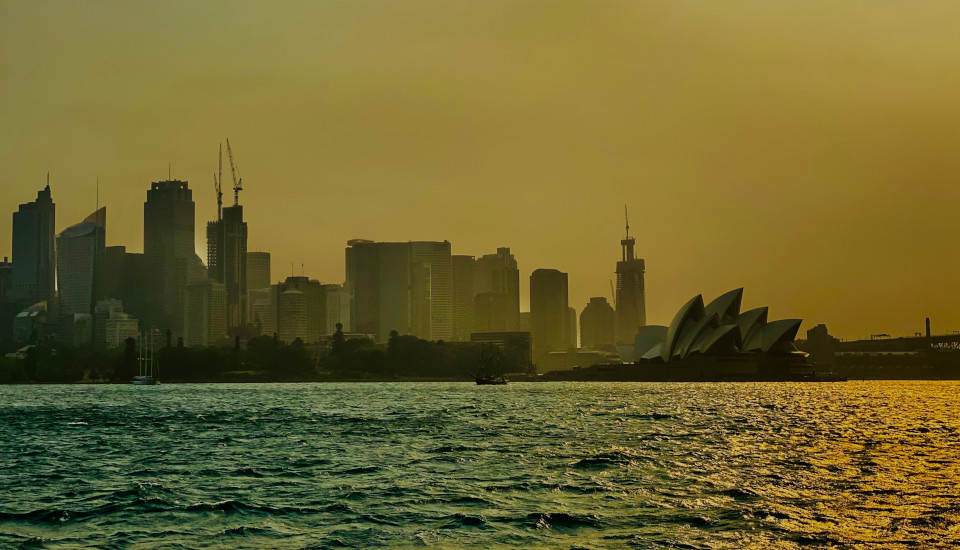
While the study was conducted in China where myopia prevalence among school-aged children already sits at crisis levels, the implications extend well beyond its borders. Australia is not immune to the myopia epidemic, with urban children facing many of the same environmental pressures as their counterparts in East Asian cities, including increased near work, reduced outdoor time and, in many metropolitan areas, ongoing air quality challenges from traffic, bushfire smoke and industrial emissions.
The study's authors call for environmental considerations to be embedded into childhood eye health strategies. Their recommendations include strengthening vision screening programs in high-pollution areas, improving public awareness of air pollution's potential ocular effects, promoting safe outdoor activity, and enhancing indoor ventilation and air filtration in schools.
For optometrists and ophthalmologists working in paediatric care, the research adds another variable to the already complex myopia risk conversation, one that may be particularly relevant when counselling families in urban or bushfire-affected regions about their children's eye health.
The mechanisms remain unclear
The exact biological pathways linking air pollution to myopia development have not yet been established. Proposed mechanisms include oxidative stress and inflammation caused by particulate matter penetrating ocular tissues, as well as reductions in outdoor light exposure caused by smog, itself a well-established myopia risk factor. The detection of ambient black carbon in conjunctival sac fluid in prior research demonstrates that particulate pollutants do make direct contact with ocular surfaces, though whether this contributes to refractive changes in the developing eye requires further investigation.
The bottom line
This study is among the largest to examine the air pollution - myopia link and its findings are difficult to ignore. As the authors note, addressing the global myopia burden will likely require a multifaceted public health response, one that looks beyond screens and study habits to the broader environments in which children are growing up and developing their vision.
Source: Liu K, Luo H, E B, Kuang H, Zhang C, Guo X. Long-term exposure to PM2.5 and NO2 and risk of myopia in Chinese school-aged children: a cross-sectional study. BMC Ophthalmol. 2026;26:54. doi:10.1186/s12886-025-04587-7