
CERA Renewed as Australia's Only WHO Collaborating Centre for Prevention of Blindness
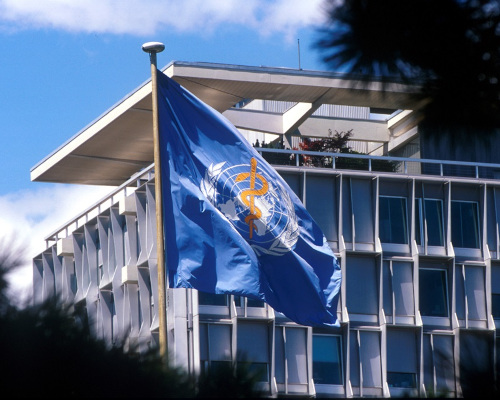 The Centre for Eye Research Australia (CERA) has been redesignated as Australia's sole World Health Organization (WHO) Collaborating Centre for the Prevention of Blindness, cementing a long-standing partnership focused on reducing vision loss in low- and middle-income communities worldwide.
The renewed collaboration, announced in February 2026, spans several ambitious research streams, from AI-powered screening tools to myopia prevention strategies, all aimed at tackling the global burden of blindness at scale.
A flagship project emerging from the partnership is an all-in-one AI screening tool capable of detecting diabetic eye disease, cardiovascular risk and chronic kidney disease in a single GP visit. The technology uses advanced imaging and artificial intelligence to identify multiple diabetes complications simultaneously, potentially revolutionising early detection and reducing pressure on already-stretched specialist services.
Associate Professor Lisa Zhuoting Zhu, Director of the WHO Collaborating Centre, says the implications for underserved populations are profound.
"This all-in-one AI technology can screen for major diabetes complications," she said. "It will be a game changer: saving time and raising awareness of diabetes complications."
The initiative builds on CERA's earlier development of WHOEyes, a WHO-distributed smartphone app that enables patients to monitor their vision at home between specialist visits, particularly useful in areas with limited healthcare access.
The partnership is also tackling the global myopia epidemic, with WHO Collaborating Centre Deputy Director Dr Gareth Lingham leading a national study to establish evidence-based guidelines for outdoor time in children. With 50 per cent of the world's population projected to be short-sighted by 2050, the research seeks to maximise myopia prevention through increased outdoor exposure while minimising UV-related risks such as skin cancer and ocular damage.
"Our aim is clear, evidence-based messages that maximise myopia prevention while minimising UV risk," Dr Lingham said, adding that WHO's global networks would be critical in amplifying those recommendations to families worldwide.
For eyecare professionals, the CERA-WHO collaboration represents a significant pipeline of clinical tools and public health strategies that could reshape how common conditions are detected and managed particularly in resource-limited settings.
"CERA is developing innovative tools and strategies to prevent vision loss, while WHO is providing the platform to implement them across diverse health systems," Associate Professor Zhu said.
The redesignation positions Australia as a continued leader in global eye health research, with practical applications that extend well beyond the clinic.