


'Living Eye Drop' Uses Engineered Bacteria to Accelerate Corneal Healing
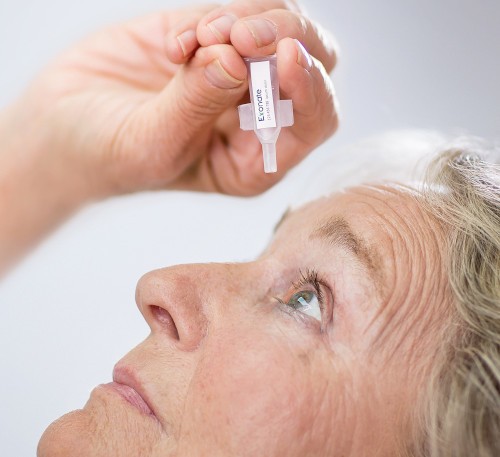 US researchers have developed a novel ocular delivery system that harnesses a naturally occurring eye bacterium to continuously release anti-inflammatory therapeutics potentially overcoming one of the most persistent challenges in treating corneal disease.
Scientists at the University of Pittsburgh School of Medicine have engineered what they are calling a "living eye drop", a genetically modified microbe designed to take up residence on the ocular surface and deliver therapeutic proteins directly to the cornea over a sustained period.
The proof-of-concept research, published on 5 March 2026 in Cell Reports, centres on Corynebacterium mastitidis, a benign bacterium that naturally lives beneath the eyelid. The team engineered the microbe to continuously secrete interleukin-10 (IL-10), a cytokine known for its role in regulating inflammation.
In a mouse model of corneal injury, eyes treated with the engineered bacteria healed measurably faster than those receiving either standard bacteria or saline. When researchers blocked the IL-10 receptor, the healing benefit was abolished confirming the effect was directly attributable to the secreted cytokine rather than the bacterial carrier itself.
Critically, the team also developed a human IL-10-producing variant of the microbe, which improved wound closure in lab-grown human corneal epithelial cells and reduced inflammatory signalling in human immune cells offering an early signal that the platform may eventually be translatable to clinical use.
Addressing a Fundamental Limitation of Topical Therapy
For eyecare practitioners, the clinical logic behind the approach will be immediately familiar. Tear turnover routinely clears topical medications from the ocular surface within minutes, requiring patients to administer drops multiple times daily, a regime that is both burdensome and frequently non-adherent.
"This is the first demonstration that a microbe that lives on the ocular surface could be engineered to deliver a therapeutic that improves eye health," said senior author Associate Professor Anthony St. Leger, of Pitt's Department of Ophthalmology and UPMC Vision Institute. "It opens the door to the idea of 'living medicine' for the eye — something you apply once, and it stays, protects and helps the tissue heal."
The implications for conditions such as dry eye disease, recurrent corneal erosions and post-surgical wound management are clear, even if clinical application remains some years away.
A Modular Platform for Multiple Indications
St. Leger emphasised that the system has been deliberately constructed with adaptability in mind. "We built it so you can swap in different genes — different cytokines, growth factors or other proteins — to tailor the therapy to specific eye diseases," he said.
That modularity is arguably the platform's most significant long-term potential. A single delivery architecture that can be re-tooled for dry eye, ocular surface inflammatory disease or traumatic corneal injury represents a meaningful shift in how sustained topical therapy might be approached.
Safety Hurdles Remain
The researchers are candid about the distance between this early-stage work and any clinical product. Chief among the outstanding challenges is the development of reliable biological "off switches" mechanisms to safely deactivate or remove the engineered bacteria once treatment is no longer required.
Additional steps around regulatory pathway, long-term ocular surface safety, microbiome interactions and manufacturing scalability will also need to be addressed before human trials could be contemplated.