
Gucci and Google to Launch AI Smart Glasses in 2027
 The luxury fashion giant's move into AI-powered eyewear signals a new frontier for the optical industry and a fresh challenge for independent practices.
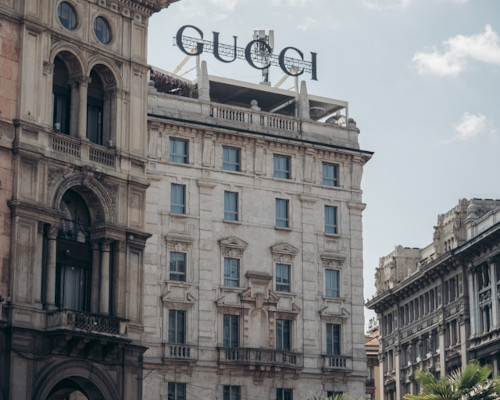
The smart eyewear arms race has a new high-fashion entrant. Luxury conglomerate Kering, parent company of Gucci, has confirmed it is targeting a 2027 launch for a line of AI-powered smart glasses developed in partnership with Google, a move that could fundamentally reshape how consumers think about their next frame purchase.
Kering CEO Luca de Meo revealed the timeline during an interview on the sidelines of the company's capital markets day in Florence, telling Reuters the launch would come "probably next year, 2027."
The collaboration would position Gucci as potentially the first major luxury brand to enter the AI-powered eyewear sector, setting up a direct challenge to EssilorLuxottica, which currently produces Ray-Ban smart glasses in partnership with Meta.
What the glasses will actually do
While specific design details remain undisclosed, the wearable device is expected to integrate cameras, microphones, and speakers, operating on Google's Android XR platform. Whether the Gucci version will include an in-lens display or ship purely as a camera-and-audio wearable is a distinction that has not yet been confirmed, a detail that separates a true augmented reality product from an ambient AI assistant, and one that carries significantly different price point implications.
Not a new relationship
The Google–Kering partnership itself is not new. Kering Eyewear announced a collaboration with Google in May 2025 to develop AI-powered glasses using Android XR, but the Florence announcement provided the first public indication that Gucci specifically would be the brand carrying the product to market.
Gucci joins Warby Parker and Gentle Monster as confirmed partners in Google's glasses program, which was first announced in May 2025. The tier now spans from accessible everyday eyewear right through to one of the most recognisable names in luxury fashion.
A strategic play beyond tech
For Kering, this is as much a business restructuring story as a technology one. De Meo's strategy is to scale up Kering's eyewear and jewellery divisions, which currently account for a fraction of the group's overall revenues, and help shield the luxury company from the shift in fashion tastes that has weighed on Gucci in recent years.
What this means for Australian optical practices
For eyecare professionals here in Australia, the Gucci–Google announcement is worth watching closely. The Ray-Ban Meta collaboration has already demonstrated that consumers are increasingly willing to make their eyewear purchase decisions based on the smart features a frame offers not just the optics. A Gucci-branded product at luxury price points could accelerate that conversation into premium dispensing territory.
The key question for optical dispensers will be distribution. Whether Kering routes the product through its own retail network and online channels exclusively, or engages optical channels for the prescription-compatible versions, remains to be seen. It also remains unclear whether the glasses will integrate any display capability or focus solely on audio-AI features, which will determine how relevant the product is to the dispensing workflow at all.
What is clear is that the convergence of luxury fashion, big tech, and AI-powered eyewear is no longer a future trend. It's arriving on the dispensing floor.