


Australia Achieves WHO Validation for Trachoma Elimination
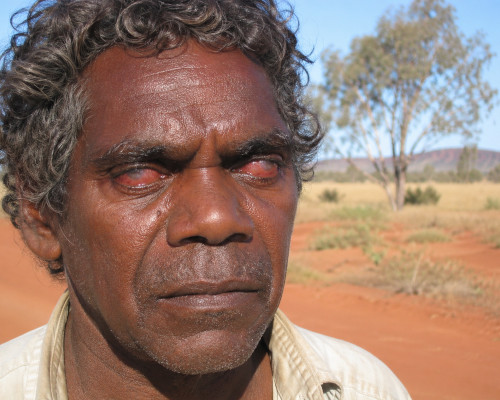 The World Health Organization (WHO) has officially validated Australia for eliminating trachoma as a public health problem, a landmark outcome for the nation's eyecare sector and Indigenous health equity.
The WHO announced the validation on 29 April 2026, making Australia the 30th country globally to reach this milestone. The recognition brings to a close decades of sustained clinical, community and government effort targeting one of the world's oldest and most persistent causes of preventable blindness.
For eyecare professionals working in remote and regional Australia, the news represents a tangible return on years of painstaking screening, surgical intervention and patient education much of it conducted in logistically demanding conditions.
What Elimination Actually Means
WHO defines elimination of trachoma as a public health problem by three criteria: a prevalence of trachomatous trichiasis (TT) unknown to the health system of less than 0.2% in adults aged 15 and over; a prevalence of trachomatous inflammation–follicular (TF) below 5% in children aged one to nine years across all formerly endemic districts; and the existence of a functioning system to identify and manage new TT cases.
Australia met all three benchmarks, with trachoma having previously persisted almost exclusively in remote Aboriginal and Torres Strait Islander communities long after it had disappeared from the broader population.
The Clinical Backbone: SAFE in an Australian Context
National elimination efforts formally scaled up with the establishment of the National Trachoma Management Programme in 2006, built around the WHO-recommended SAFE strategy, surgery for trichiasis, antibiotics, facial cleanliness promotion and environmental improvement.
Notably, Australia adapted the SAFE framework to its specific epidemiological context. Rather than implementing mass drug administration, clinicians and health teams deployed targeted antibiotic treatment guided by community-level prevalence data, an approach that reflects the importance of granular, locally informed clinical decision-making.
Regular community screening by qualified health workers formed a cornerstone of the programme, enabling early detection and timely treatment before irreversible corneal scarring could occur.
A Multisectoral Achievement With Lessons for Practitioners
While the validation is a public health designation, its implications for eyecare practitioners are significant. The programme demonstrated that integrating ophthalmic care with environmental health initiatives, including improvements to housing, water access, sanitation and hygiene, substantially accelerated clinical outcomes.
Aboriginal Community Controlled Health Organisations (ACCHOs) played a central role in programme delivery, providing culturally safe care that improved community engagement and treatment uptake. For clinicians operating in or consulting to remote settings, this model of community-led, culturally integrated eye health care offers a replicable framework.
Health Minister Mark Butler acknowledged that "the lessons from this work will inform how we approach other preventable health conditions in remote and regional Australia."
Vigilance Required: The Work Isn't Over
WHO and Australian health authorities have been clear that validation does not mean withdrawal. A robust surveillance system must remain in place to identify and manage incident TT cases, an ongoing responsibility for clinicians, optometrists and health services operating in previously endemic regions.
Australia also carries an NTD burden beyond trachoma, with Buruli ulcer, leprosy and scabies remaining endemic. This elimination milestone, the first time WHO has confirmed the elimination of any NTD in Australia, should be read as a proof of concept for tackling those conditions, not a signal to stand down.
A Global Context
Australia joins 29 other countries validated by WHO, a list that spans Algeria, India, Nepal, Ghana, Mexico and Viet Nam, among others. Globally, the WHO road map for NTDs 2021–2030 targets worldwide elimination of trachoma as a public health problem by 2030. With more than one billion people still affected by NTDs collectively, the international effort remains ongoing.