
Apple Pushes Smart Glasses to Late 2027 as It Wrestles With Privacy Design
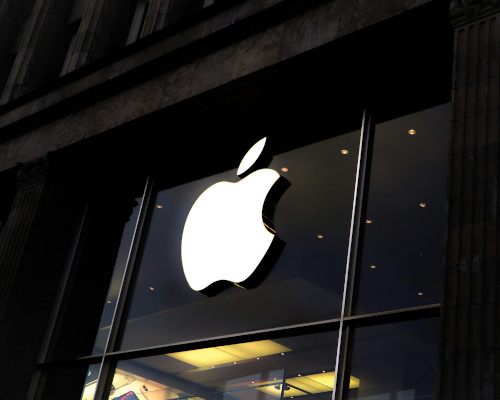 Apple has delayed the launch of its first smart glasses again, with the device now set to be unveiled at WWDC in June 2027 and reach shelves later that year, a shift eyecare practitioners should factor into any plans around wearable-tech partnerships or dispensing strategies.
According to Bloomberg's Mark Gurman, teams within Apple's Vision hardware group see privacy as "priority No. 1" for the device, codenamed N50, and the company wants to distance its launch from the criticism directed at Meta's Ray-Ban glasses. Gurman had already pushed the launch window from 2026 into 2027 back in May, citing doubts about whether Apple's Visual Intelligence AI system was ready for a first-generation device, but this latest delay is being driven specifically by privacy engineering.
Three Camera Options on the Table
Apple has reportedly tested three different camera approaches: one keeps a camera but adds new privacy restrictions, a second limits the camera to feeding visual data to Siri and Apple Intelligence without letting users save or share images, and a third removes the camera altogether. Gurman believes the first option, a camera with added privacy limits, is the most likely path to market, since stripping out photo and video capture would remove the feature that has driven sales of Meta's Ray-Ban glasses.
Other outlets covering the same report note Apple is working on several hardware and software privacy features not available on current smart glasses products, and is considering whether to include a full camera system while blocking it from taking photos or video at all, restricting it purely to AI scene analysis.
Tamper-Proofing the Recording Light
One specific feature under development directly echoes a fix already rolled out by a rival. Apple is reportedly building a tamper response for its recording indicator, mirroring a change Meta made to its Ray-Ban glasses on 7 July 2026, when Meta said it would disable the camera if it detects the indicator light has been tampered with, a response to reports of owners drilling out or covering the LED to record without being noticed. Apple also plans to rely on on-device processing, the same approach it uses for Apple Intelligence elsewhere in its ecosystem.
Apple is also reportedly planning not to send captured footage to human moderators for review, and won't use images captured by the glasses for AI training, with an always-on recording mode considered unlikely.
Why This Matters for the Eyewear Channel
For optometrists, dispensing opticians and independent eyecare retailers, the delay is worth noting for a few reasons:
- Timeline for frame partnerships. With a reveal now pushed to mid-2027 and retail availability trailing into late 2027, any conversations with Apple-adjacent frame or lens partners around co-branded or licensed styling should be planned against that longer runway rather than an early-2027 launch.
- Privacy concerns are shaping design, not just marketing. The delay comes as Apple weighs cutting the camera altogether or adding new privacy features to avoid the kind of backlash faced by a rival, and some consumers have begun using apps specifically to detect nearby smart glasses in public spaces, a sign the category still carries reputational risk that practitioners fitting these devices for patients may need to address in consultations.
- Meta remains the incumbent to watch. Meta has sold more than seven million pairs of its camera glasses and holds most of the market, despite the devices having drawn privacy complaints and being named in a class-action lawsuit. Practices already stocking or recommending Ray-Ban Meta glasses have a head start on patient education around these features that Apple is still trying to solve for.
The Bigger Picture
Apple's own emphasis on privacy in its marketing raises the stakes here. The company has reportedly noticed the backlash around Meta's smart glasses, sometimes labelled "pervert glasses," being used for non-consensual recording. Apple is also expected to avoid facial recognition features in the device, having earlier shelved a lighter Vision Pro model in favour of this smart glasses push.
For now, the message for eyecare businesses eyeing this category is patience: Apple's entry is still more than a year away, and the exact camera configuration, the detail that will matter most for anyone advising patients on frame choice and functionality, remains unresolved.